
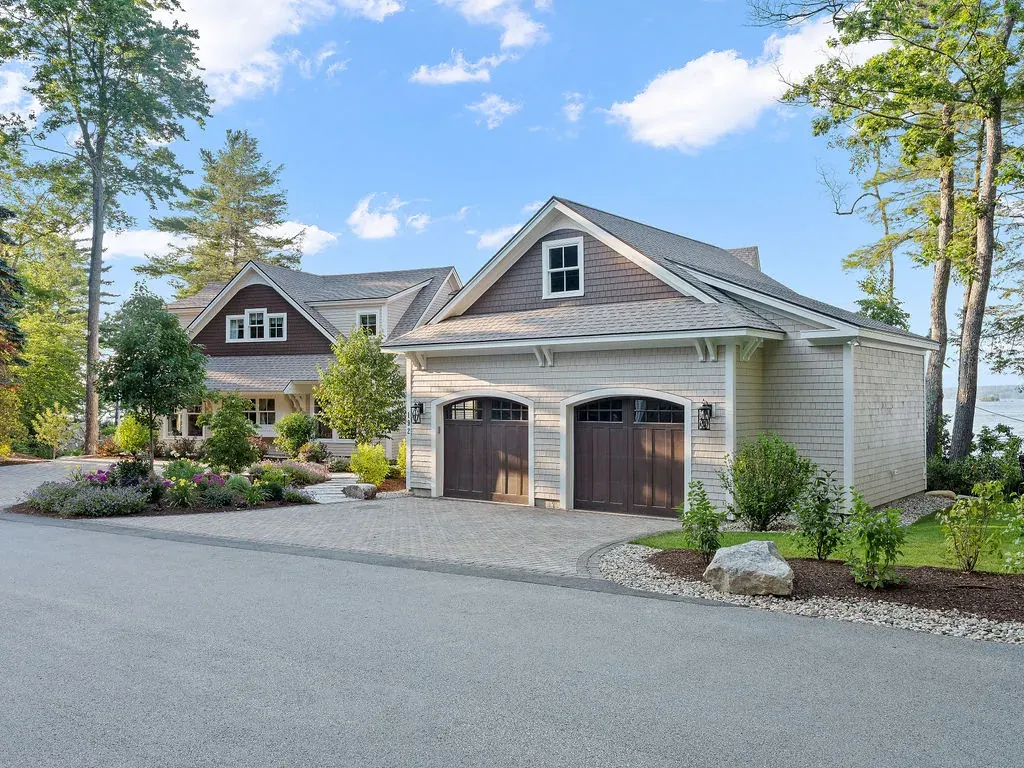
You open the garage door in Gilford or Laconia on a weekday when the forecast shows another afternoon in the eighties and the open lawn still holds dew at seven in the morning. By three o'clock the band along the south facing walk looks dull while the toe near the lake edge stays soft from a rotor that never lost its spring minutes. On a bench lot in Moultonborough the controller still runs the chart the installer left at startup, yet mid slope turf stripes pale between heads while nights cool the soil enough that you hesitate to add time. None of that is a broken clock alone. It is evaporation, slope runoff, and a program written for a season that already shifted.
This article is for homeowners on Lake Winnipesaukee and across Belknap County who need honest run time decisions when heat arrives but cool nights still pull moisture back. Belknap Landscape provides irrigation service, property maintenance, and landscape construction when zones need splitting or grade fixes. It differs from overlap geometry on slope and from mulch handoff at startup. Here the focus is daily timing and program length as traffic and temperature change together.
Why Spring Minutes Fail Once Afternoon Heat Stays
Cool season turf and mixed beds drink slowly in spring when soil is cold and days are short. Once sustained heat arrives, transpiration rises on sun faces while roots on slope still see runoff before infiltration. Adding ten minutes to every zone often floods the toe while the mid band stays dry. Write one line per problem zone: time of wilt, compass exposure, and whether nights still bring dew on the open lawn.
Pair this read with irrigation head overlap on sloped shoreline lots when dry wedges and wet toes share a slope. Overlap fixes come before blind minute increases. Pull mulch back from heads before you change programs so spray planes are visible.
Cool Nights Versus Hot Afternoons on the Same Zone
Nights that still drop into the fifties slow evaporation at the surface even while afternoon sun stresses foliage. A zone that looks fine at breakfast can wilt by late day. Cycle and soak style scheduling, where available, can split delivery without flooding toes. Not every controller offers that logic. Manual staggered start times on the same zone sometimes reduce runoff when the bottom of a slope ponds before the middle drinks.
On cove lots toward Wolfeboro and Alton Bay, wind off the water skews spray the same way slope does. A head that cleared shrubs at startup may now water foliage after spring growth. Trim or adjust before you chase minutes on the clock.
Foot Traffic and Soft Toes Where Irrigation Still Runs Long
Guest paths and deck stairs compress turf at the same bands where rotors overshoot. Soft soil plus foot traffic trains pale stripes faster than drought alone. Walk paths the same morning you watch zones run. If overspray soaks landings, fix heads before guests arrive. Read deck stair lighting and path width before guest evenings when wet treads and darkness stack at stairs.
Compare with cool season turf edges when lake traffic builds when wear follows feet more than spray. Irrigation and traffic often share the same margin. Fixing only one leaves the band thin all season.
Bed and Turf Zones That Should Not Share a Clock
Beds on drip or low flow and lawn on rotors rarely belong on one program once heat arrives. Beds may need early morning cycles while turf on the same valve gets too much or too little. Splitting zones costs once. Fighting mixed precipitation rates all summer costs more in plant loss and rework.
Annual color and new perennials near Meredith and Center Harbor storefront beds dry faster than established lawn. Note which plantings sit in reflected heat off pavement or lake facing stone walls. Those micro climates deserve their own observation line in your log.
What Maintenance Can Adjust Without Trenching
Weekly property maintenance and irrigation visits can raise heads, swap nozzles, tweak deflectors, clear screens, report cracked risers, and suggest program splits when controllers allow. Send photos with zone numbers and the hour wilt appears. Mention if quiet mornings matter for neighbors or sleeping guests.
Layer turf care when color and density need science beyond water timing. Layer tree and plant health when canopy growth blocked throw since the last adjustment.
When Construction or Zone Rebuild Belongs in Scope
Some slopes need separate valves, terracing, or drainage work before any program feels fair. Rebuilding belongs when runoff still crosses walks after head tweaks, when pavement and lawn must separate, or when shoreland grade limits how water moves toward the lake. Loop design and permitting before equipment schedules peak guest weeks.
Recording What Changed When Programs Finally Feel Fair
When a zone finally runs clean after nozzle swaps or split start times, write the new settings on the controller door or in a phone note with the date. Next spring you will not remember which head got a different arc after growth lowered throw. Photos of dry and wet bands after adjustment beat guessing when guest traffic returns.
Properties across Lake Winnipesaukee and inland corridors in Southern White Mountains towns share the same controller logic even when exposure differs. Save the packet that worked once so maintenance can repeat it without rediscovering slope from scratch. Note which zones still wilt at four in the afternoon after you change minutes so the next adjustment starts from fact instead of memory.
The Packet You Send Belknap
Send town and slope context. Send video of each problem zone during the first five minutes of its run. Send photos of wilt bands with time of day noted. Send controller brand and model. Send the first guest weekend that matters for curb appeal.
Belknap Landscape has adjusted programs on heat and cool night weeks across the Greater Lakes Region since 1988. Honest run times on grade beat doubling minutes and hoping the toe forgives you. Contact us with dated images when you are ready.