
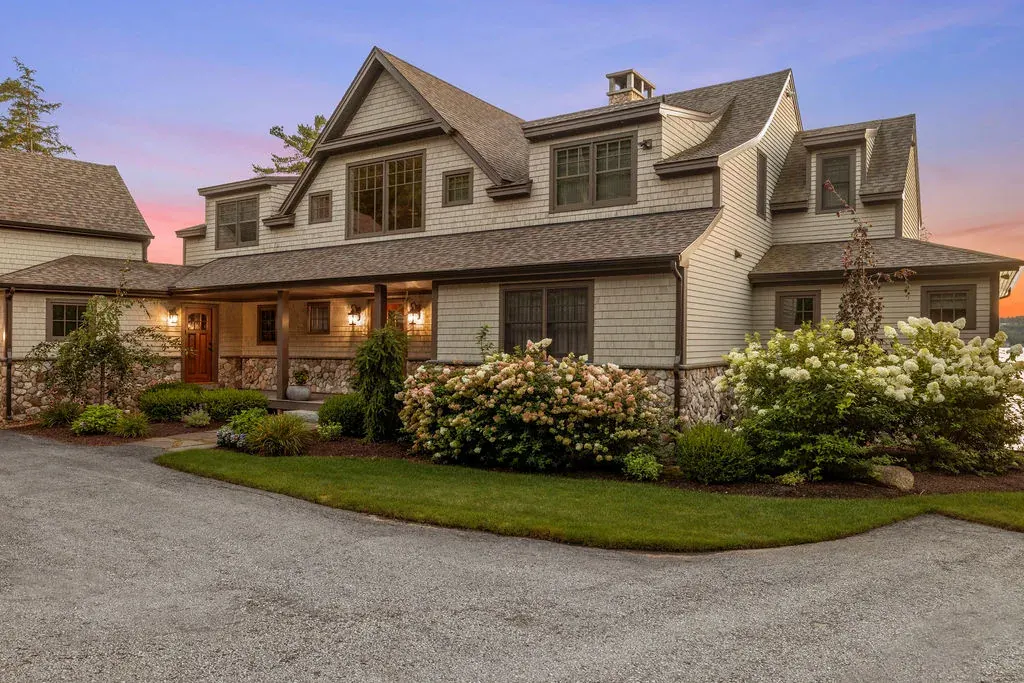
You pull into a Lake Winnipesaukee lot on a mid-June Friday and the open lawn still stripes clean from the drive. Up close the grass along the sprinkler edge looks pale while the center looks fine. On a bench lot in Moultonborough the controller still runs the same minutes it had in May even though guests arrive every weekend now. Toward Gilford and Laconia the mower deck may still sit low enough to scalp recovering turf before the first cookout. None of that is a mystery. Cool season grass prefers spring and fall. Guest season pushes heat, salt splash, and more mowing on the same calendar. Belknap Landscape provides turf care and watering service across the Lakes Region. This piece is about lawn care and irrigation when traffic picks up, not about fixing stone walks.
Read the lawn before you add product
Pale grass at the margin is not always drought. Overlap from a rotor, salt tracked from the dock, and a deck set too low can all look like thirst from twenty feet away. Walk the lawn in the morning on Meredith and Center Harbor lots and note sun versus shade on the same valve. Compare stressed spots only to similar exposure on your property, not to a neighbor on different soil.
Write one line per problem area: dry, wet, thin, or weedy. That list beats a phone call that starts with "the lawn looks bad" and ends without a starting fix.
Mow height before guest weekends
Cool season Kentucky bluegrass and fine fescue blends recover faster when you cut high and often enough to never remove more than one third of the blade. Scalping before cousins arrive exposes crowns to afternoon sun on south facing turf. If property maintenance handles mowing, align visit timing with arrival dates so fresh cuts are not crushed the same afternoon.
Our mid summer lawn care piece covers heat stress later in the season. In mid-June the move is still height and steady rhythm, not hero fertilizer passes.
Water at margins without flooding the center
Adding minutes globally to green a pale edge often soaks shady turf on the same zone. Run each valve at dusk and watch where spray lands on lawn, beds, and pavement. Tilted heads and overlap at margins fail before open lawn shows stress.
Read watering run times in heat with cool nights when lake breeze and cool evenings change how fast soil dries on bench lots. Split run time on slope before you split heads. Irrigation service visits map overlap fixes versus rebuild items when rotors never matched the lot layout.
Fertilizer and weed timing on guest calendars
Heavy nitrogen right before a hot stretch can push growth the plant cannot support on thin lakeside soil. Turf care programs match feeding and weed control to moisture and realistic use. Spot treat weeds in thin grass instead of blanketing the whole lot when guests arrive in days.
If spring recovery never took hold, revisit thin lawn recovery after winter before you chase color with mid-season spikes.
Salt, splash, and lake margin habits
Dock splash and tracked sand stress lawn edges differently than drought on open turf. Rinse salt-prone strips after busy weekends and adjust watering separately on the same calendar note. South deck faces cook pots and turf margins while cool lake nights pull moisture back toward shore on hillside homes.
Tree and plant health and bed care frame margins without blocking heads that must reach grass roots beside walks.
Drainage checks that share the same weekend
Wet lawn toes after storms often mean downspouts and sprinklers compete on the same band. Soggy yard drainage after snowmelt still applies when June rain sits on clay below thin topsoil. Fix water placement before you overseed a soggy margin.
What to send Belknap before guest season peaks
Send wide shots of sun and shade lawn areas. Send photos of sprinkler overlap at dusk with the zone name noted. Send guest arrival dates and which areas matter most for curb appeal from the drive.
Belknap Landscape has built lawn programs across Belknap County since 1988. Mid-June rewards small controller edits and a taller deck setting more than a reactive fertilizer pass that fades by the next busy weekend. Contact us with property photos when you are ready.