
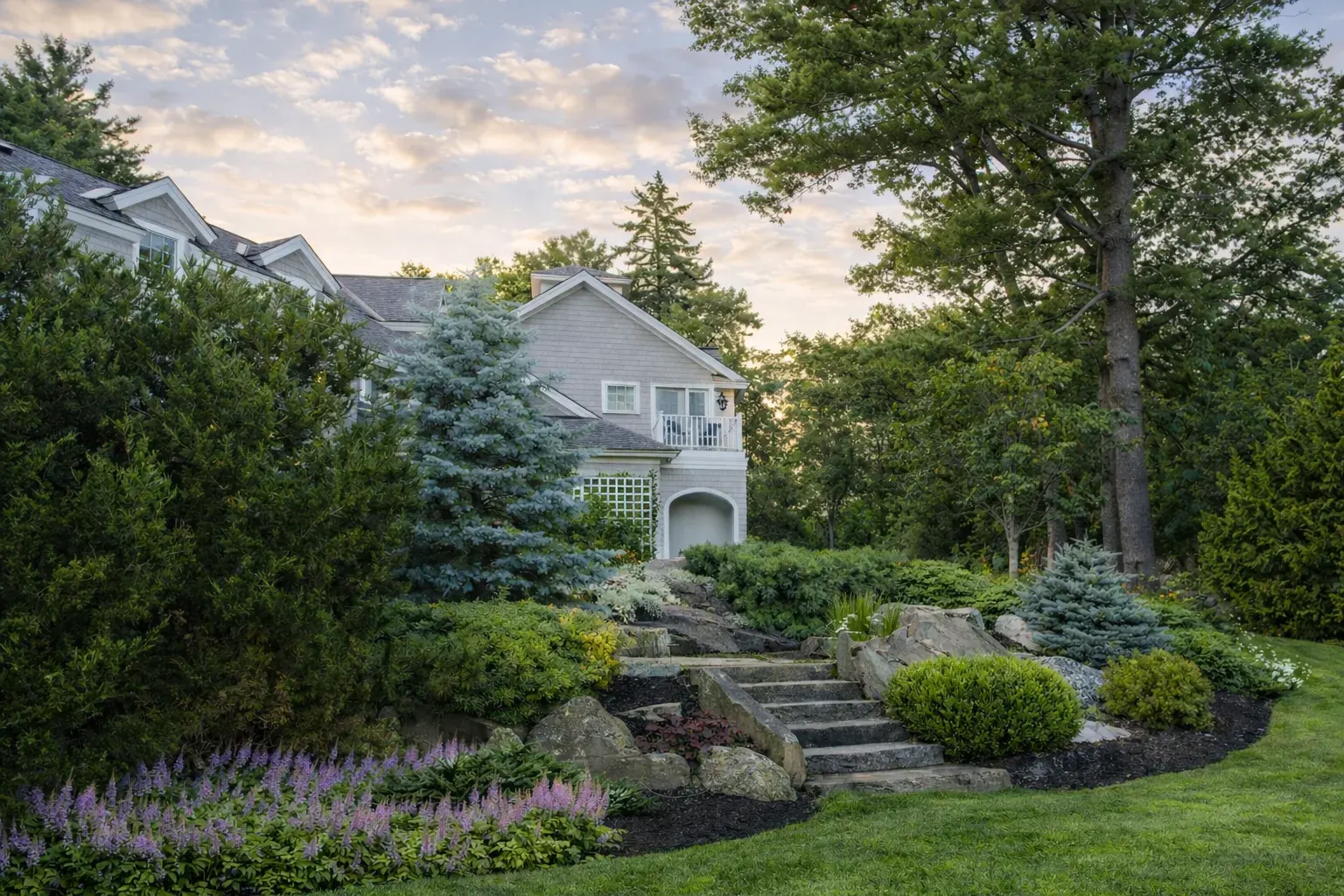
If you're searching what is landscape construction, you're probably not looking for another vague definition. You want to know if it means fixing drainage, building a patio, reworking a sloped yard, or finally making the space outside your home actually usable. The short answer is yes, and here's how to make sense of it.
What is landscape construction?
Landscape construction is the part of outdoor work that builds, installs, or changes the physical structure of your yard. That includes shaping the land, managing drainage, adding patios and walkways, rebuilding planting beds, installing lawns, and putting in systems like irrigation or lighting.
The easiest way to think about it is this: maintenance keeps a yard looking nice, but landscape construction changes how the space is built and how it works. If mowing, pruning, and seasonal cleanup are upkeep, construction is the bigger move. It solves problems, adds features, and changes the layout so your property functions better day to day.
A simple way to think about it
Think about the difference between straightening up a living room and remodeling it. Vacuuming and fluffing pillows make the room look better, but knocking out a wall or building new shelves changes how the room works. Landscape construction is the outdoor version of that remodel.
So if your yard holds water, your front walk is uneven, or your property has no good place to sit outside, that usually points to construction, not routine service.
What landscape construction usually includes
Most landscape construction projects mix a few different kinds of work together. Some focus on one issue, like drainage. Others combine several pieces into a full yard upgrade.
Grading and drainage
Grading means shaping the ground so water flows where it should. That sounds simple, but it solves a lot. If rainwater sits near your foundation, if the lawn stays soggy for days, or if a slope keeps washing out, grading is often part of the fix.
In the Lakes Region, sloped lots and spring thaw can make these issues show up fast. Snow melts, the ground softens, and suddenly the problem spot near the driveway or lake-facing side yard is impossible to ignore. Drainage work can include re-sloping, buried drain lines, catch basins, or redirecting runoff away from structures and usable areas.
Hardscaping
Hardscape means the non-living parts of the landscape. Patios, walkways, retaining walls, stone steps, fire pits, and driveway borders all fall into this category.
This is often what people picture first, and for good reason. Hardscaping creates usable space. A patio gives you somewhere to gather. A walkway makes an entry safer and cleaner. A retaining wall can hold back soil and turn a hard-to-use slope into something more stable and attractive.
Soil prep, planting, and lawn installation
Landscape construction can also include the living parts of the yard, especially when those parts are being rebuilt from the ground up. That may mean bringing in topsoil, reshaping beds, planting trees and shrubs, or installing seed or sod.
Here's the thing: healthy plants usually start below ground level. If the soil is poor, compacted, or washing away, new plants struggle no matter how good they look on install day. Good prep is not flashy, but it's often the difference between a landscape that settles in well and one that starts failing after one rough season.
Irrigation, lighting, and other built-in systems
Some landscape features are mostly invisible until you need them. Sprinkler systems, drip irrigation, buried drainage lines, and low-voltage lighting all fit here.
These systems make the property work better after the project is done. Irrigation helps lawns and plantings survive summer dry spells. Lighting improves safety and makes walkways, entries, and patios usable after dark. Buried systems handle the practical stuff so you are not dragging hoses around or guessing where water will collect after every storm.
Landscape construction vs. landscaping vs. lawn care
A lot of confusion starts here. People use these terms interchangeably, but they are not the same thing.
Landscape construction vs. maintenance
Landscape construction builds or upgrades the space. Maintenance keeps it looking good once it's built.
So mowing, pruning, edging, mulching, fertilizing, and seasonal cleanup fall under maintenance. Building a new front walk, fixing a drainage problem, installing a retaining wall, or rebuilding overgrown planting beds falls under construction.
When you need construction instead of routine service
If your yard just needs upkeep, routine service is enough. But if the space has a structural problem, maintenance will only cover it up for a while.
You likely need construction if water pools after heavy rain, a retaining wall is leaning, your front steps feel unsafe, or your yard layout simply does not fit how you want to use it. Weekly mowing will not fix a failing slope or create a patio where none exists. That's the dividing line.
How a landscape construction project usually works
Knowing the process makes the whole thing less mysterious. Most projects follow the same basic path, even if the size and scope change.
Planning and site visit
It usually starts with a walkthrough of the property. This is where the space gets measured, slopes get noticed, drainage issues get tracked, and access for equipment gets considered.
This step matters more than most people expect. In New Hampshire, spring thaw can reveal trouble spots in a single afternoon, soft turf, runoff channels, and standing water that were hidden all winter. A good site visit catches those real-world conditions before any digging starts.
Design, scope, and materials
After the site visit, the plan gets turned into a clear project scope. That means deciding what is being built, where it goes, what materials are being used, and what the finished space needs to do.
For example, a patio is not just a patio. The plan should cover size, shape, base prep, edging, drainage, and how it connects to the rest of the yard. The same goes for walls, beds, lawns, and systems.
Construction and installation
This is the active phase: excavation, base preparation, deliveries, installation, planting, and system setup. The order matters. A patio or retaining wall is only as good as what's underneath it, which is why prep work takes time and should.
Sometimes this is the least glamorous part of the job. It's also the part that decides whether the finished work lasts.
Final walkthrough and next steps
At the end, the site gets cleaned up and the finished work gets checked. Drainage should move properly. Irrigation and lighting should be tested. New planting areas should be reviewed so you know what kind of watering and early care the landscape needs right away.
What to expect during the work
Landscape construction is not quiet or spotless while it's happening. That's normal.
Yes, it can get noisy and messy for a bit
Machines, stone deliveries, soil piles, and cut materials are part of the process. For a short stretch, your yard may look worse before it looks much better. The trick is knowing that temporary mess is usually what progress looks like.
Weather and site conditions can change the schedule
Rain, saturated soil, and freeze-thaw conditions can slow things down. Wet ground is not just inconvenient, it can affect grading, compaction, and access. In this part of New Hampshire, that is just part of the job, not a red flag.
Access, safety, and daily cleanup
Crews need room to move equipment and stage materials, so access matters. Moving vehicles out of the way and keeping pets away from the work zone can make the project smoother and safer.
Daily cleanup usually means tools are gathered, loose debris is removed, and the site is left as orderly as the phase allows. It may not look finished until the end, but it should not feel out of control.
Common types of landscape construction projects
Projects vary a lot, but most fall into a few familiar categories.
Residential projects
For homes and lake properties, common projects include patios, walkways, entry improvements, retaining walls, drainage repairs, planting overhauls, lawn installation, and outdoor living spaces. Some are about looks. A lot are really about making the property easier to use and maintain.
Commercial and shared-property projects
For offices, retail spaces, HOAs, and multi-unit properties, landscape construction often focuses on entrances, pathways, drainage improvements, planting upgrades, and common areas. The goal is usually part appearance, part function, part safety.
How to tell if you need landscape construction
Sometimes the need is obvious. Sometimes it shows up as a problem that keeps coming back.
Signs your property is ready for a build or rebuild
Standing water, erosion, bare slopes, cracked walks, failing walls, poor curb appeal, and outdoor spaces that never quite work the way you want are all common signs. If the issue feels built into the property, not just seasonal or cosmetic, construction is probably the right category.
Good questions to ask before you hire someone
Ask what problem is getting solved first. Ask where the water will go. Ask what prep work is included, and whether planting, irrigation, or lighting are part of the scope. Also ask what daily disruption to expect. Good answers here usually mean fewer surprises later.
Common questions about landscape construction
Is landscape construction only for big projects?
No. It can be a small front walk replacement, a drainage fix along one side of the house, or a modest planting bed rebuild. It can also be a full outdoor renovation. The size varies, but the idea stays the same: changing how the space is built.
Is planting part of landscape construction?
Often, yes. Planting is commonly included when new beds are being built, grades are changing, or irrigation is going in. It is especially common when the goal is to rebuild an area instead of just freshening it up.
What is the difference between hardscape and landscape construction?
Hardscape is one part of landscape construction. Patios, walls, and walkways are hardscape. Landscape construction is the bigger category that can also include grading, drainage, soil work, planting, irrigation, and lighting.
What should you do first if your yard has drainage or layout problems?
Start with a site visit. That's the simplest smart move. If the real problem is slope, runoff, or poor base prep, you want that diagnosed before spending money on grass, mulch, or a patio that won't hold up.
Disclaimer: This article is for general informational purposes only. It is not professional advice, a quote, or a service agreement. Conditions at your home or property may differ; contact a qualified professional for an on-site evaluation before making repair, safety, or spending decisions.