
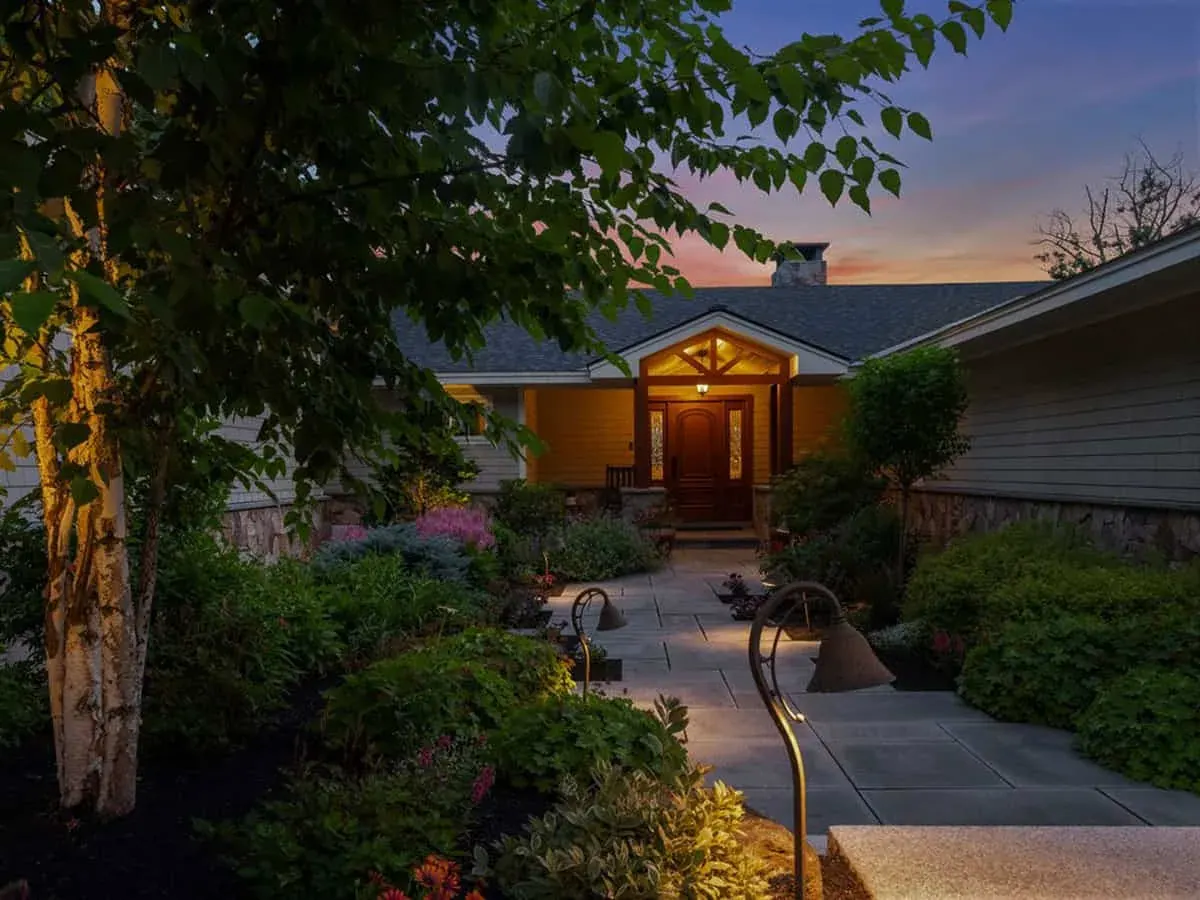
You flip the switch in April expecting the same glow you enjoyed last September, and half the path stays black. Sand packed the lens on a downlight near the garage in Meredith. A stake fixture along the dock walk in Alton tilted when frost heaved the soil. In Wolfeboro, a transformer breaker tripped the first warm night you asked everything to run at full. Spring around Lake Winnipesaukee is the right season to reset outdoor lighting before guests, renters, and long evenings on the water return. This guide follows the same sequence our crews use when they service existing systems and when they plan additions alongside design and permitting for larger projects.
Start at the power source
Locate the transformer or control cabinet where you can read labels without standing in wet grass. Check that housing drains, vents are clear, and nothing nests inside over winter. Reset any tripped breakers once, then walk the run. If it trips again, stop and call for help rather than forcing it. Note whether your timer or photocell still matches real sunset; spring shifts fast in New Hampshire and old schedules leave lights on past dawn or off too early for safe trash runs.
Simple rule: fix power and control before you blame individual fixtures for darkness.
Walk every fixture with a cloth and a notepad
Move in the same order people walk at night: parking, steps, entries, paths, gathering areas, accents on plantings or architecture. Wipe lenses gently to remove salt film and grit. Straighten stems and housings so light aims where designers intended, not into bedroom windows or across the cove. Tighten loose fasteners by hand first; stripped screws on saturated wood are common after winter.
What to record as you go
- Any fixture that flickers or shows moisture inside the lens
- Buried wire spots where plow stakes or edging tools may have nicked insulation
- Tree limbs that grew into beam paths since last year
- Dark gaps where one failed light leaves a stair tread invisible
- Glare that hits boaters or neighbors, which matters on tight lake lots
Photos help when you contact us for service because they show scale and context faster than memory.
Match brightness to jobs
Steps and changes in level deserve the clearest, most even light. Seating areas need softer fill so pupils can relax. Uplighting trees can stay dramatic if canopy size and bulb temperature suit the plant and the house color. If you are still running very old halogen loads, spring is a practical time to talk about light emitting diode retrofits that cut heat and power draw while improving color on stone and cedar. Our overview of styles sits in five kinds of landscape lighting; use it alongside this checklist when you want vocabulary for a redesign.
Coordinate with beds and turf
Lighting and plants share space. Before mulch goes down, decide whether fixtures should rise above new grade or move before soil buries collars. Property maintenance visits go smoother when crews know which stakes must avoid string trimmers and which paths carry wire shallow enough to mark. If you plan new seed or sod, protect cable routes with flags until grass establishes so rollers and aerators do not cut hidden lines.
On steep lake lots in Moultonborough and Tuftonboro, combine this lighting pass with a quick look at drainage near stairways. Wet treads and bad glare add up to falls; dry surfaces and aimed light fix both parts of the problem.
When to expand the system
Spring drawings for decks, docks, and fire features should include circuits and fixture locations before carpentry finishes. If you wait until July, you often surface mount conduit or skip lights you would have chosen with more time. Belknap Landscape can layer new zones onto an existing transformer when capacity allows, or plan a second unit for larger additions. Seeing built work helps; browse our landscape lighting portfolio for lake and inland examples.
Upgrade questions worth answering now
- Where do renters or elderly parents need the most confidence at night
- Whether you want dimming or zoning for late evening quiet
- How much accent light still feels respectful toward dark skies across the water
- If underwater or dock lighting needs a separate review for glare toward neighbors
- How lighting pairs with landscape construction if you are also changing walks or walls
Safety, comfort, and code awareness
Ground fault protection and burial depth rules exist for good reasons around water and metal railings. Do it yourself changes sometimes skip those details. If you are unsure about an outdoor circuit, stop and involve a licensed electrician or our team rather than extending cord style fixes through another season. For philosophy on balancing beauty and security, read beauty and safety for your outdoors after dusk.
Close the loop before summer traffic
Run a full test night after repairs. Walk every route with the house locked so you see what a stranger sees. Adjust aim while you can still move mulch and before patio furniture blocks ladder access. Flag any fixture that runs hot or buzzes; those signs mean connection or lamp issues that worsen in August humidity.
Belknap Landscape serves homeowners across the Greater Lakes Region and nearby counties. If this checklist surfaces more work than you want to own, reach out. We would rather tune your system in calm spring weeks than chase failures on the first big holiday weekend when every minute outdoors counts.