
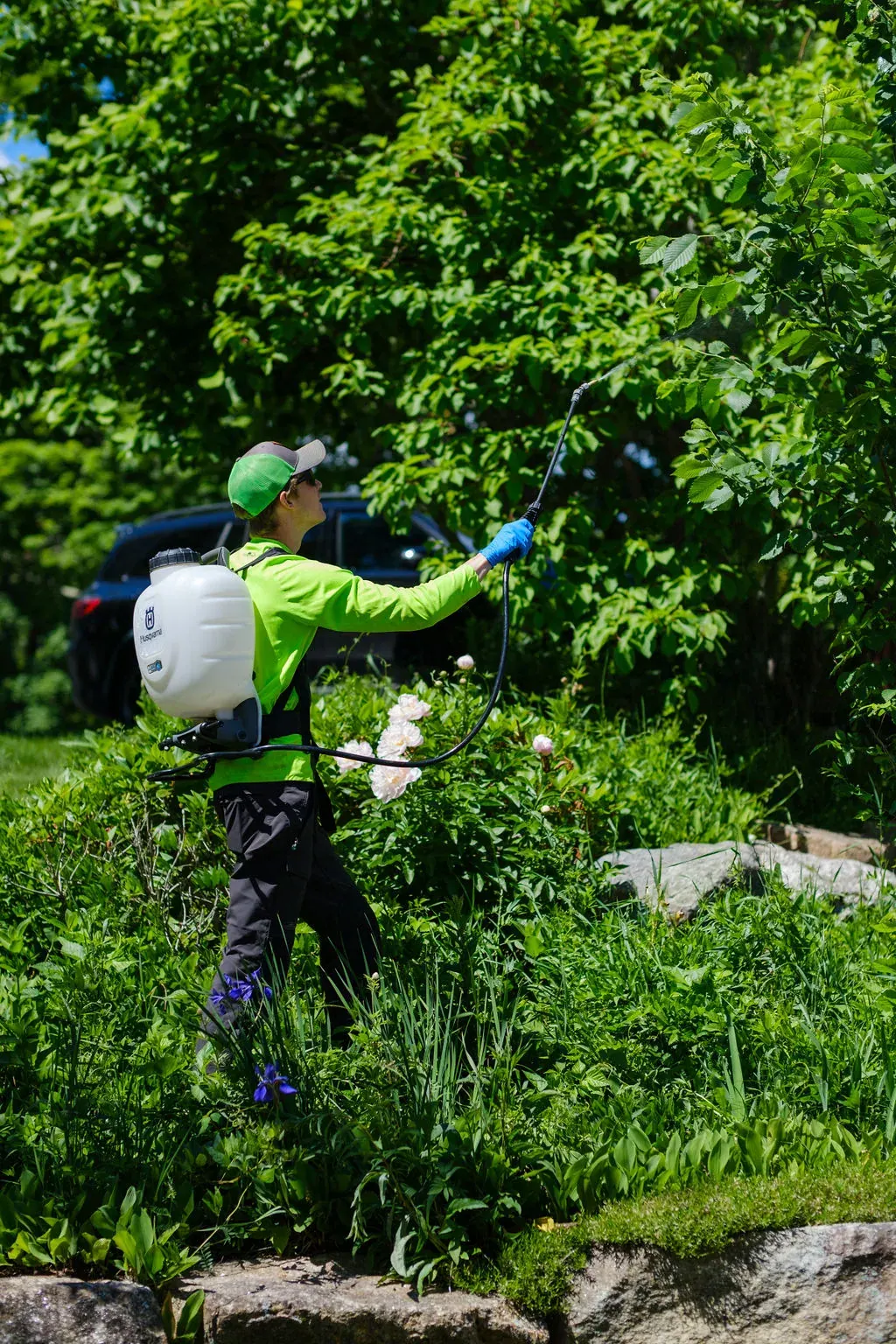
A landscape estimate can look tidy, professional, and completely useless if it does not tell you what is actually happening in your yard. If you have ever gotten two very different numbers for what seems like the same job in Meredith, Wolfeboro, or anywhere around the Lakes Region, you have already seen the problem. A good landscape estimate is not just a price, it is the clearest preview of the work, the materials, the timing, and the surprises that could change the final bill.
Why a landscape estimate matters more than the bottom-line number
Here’s the thing: the cheapest number often wins only because it hides more.
A strong landscape estimate gives you something much more useful than a low price. It gives you a plan. You should be able to see what areas are included, what materials are going in, how much prep work is happening, what is excluded, and what could trigger additional charges. Without that detail, you are not comparing companies. You are comparing guesses.
This matters even more in the Lakes Region, where site conditions can swing a project fast. A flat front bed near the road is one thing. A sloped backyard with lake access, stone steps, wet soil, and limited machine access is something else entirely. If an estimate treats both situations like they are simple, expect a correction later, and usually not in your favor.
The right way to read a landscape estimate is simple: treat it like a scope document first and a price quote second. If the scope is clear, the price starts to make sense. If the scope is fuzzy, the number means very little.
What a landscape estimate should include at a glance
Before getting into the details, it helps to know what a complete estimate should cover at a glance. You should be able to scan the document and quickly find who prepared it, what property it applies to, what work is being done, how pricing is structured, when the work is expected to happen, and what terms control changes or payment.
If any of those pieces are missing, the estimate is incomplete.
Company information and contact details
At the top of the estimate, you should see the company name, phone number, email, mailing address, and the name of the person who prepared the estimate. If license information applies to the work being performed, that should be there too.
This sounds basic, but it matters. An estimate should feel tied to a real business, not just a number typed into a template. Clear contact information also makes follow-up easier when you need to ask about timing, materials, or a revision.
Your property and project details
A useful estimate should identify your property clearly. That means your name, service address, and enough project detail to avoid mix-ups. If the job is for a back patio, front foundation beds, and side drainage swale, that should be named.
It also helps to see the date of the site visit or walkthrough. A visit in early April can lead to a very different estimate than a revision made after spring thaw exposes drainage problems in May.
Start with the scope of work, because this is where most estimate problems begin
The scope of work is the heart of the landscape estimate. If the scope is vague, the estimate is weak, no matter how polished it looks.
A lot of confusion starts with language that sounds fine at first glance: “install landscaping,” “improve drainage,” “spring cleanup as needed.” That wording is too loose. It leaves room for very different expectations between you and the company doing the work.
A strong scope should read like a practical description of the job, not a sales brochure.
Exact services to be performed
Each service should be spelled out in plain English. If the work includes mowing, edging, mulching, pruning, planting, patio installation, grading, irrigation startup, shrub treatment, or seasonal cleanup, each one should appear by name.
That level of detail matters because “landscaping” can mean almost anything. One estimate may include bed edging, weed removal, fresh mulch, and pruning. Another may use the same word but include only mulch installation. If the estimate does not list the actual tasks, you cannot tell what you are buying.
Areas of the property included
The estimate should also tell you where the work is happening. Not just “at property,” but the actual zones. Front foundation beds. Backyard slope behind the garage. Left driveway edge. Lakeside access path. Side yard near septic cover.
This protects you from assumptions. If you expected both side beds to be cleaned up but the estimate mentions only the front entry planting area, that mismatch should get fixed before the job starts.
Materials, quantities, and specifications
This is where “specific enough” starts to matter. A line that says “install mulch” is not enough. A better version says “install approximately 8 cubic yards of hemlock mulch at 2 to 3 inch depth in front and side foundation beds.”
The same goes for pavers, gravel, wall stone, topsoil, sod, grass seed, edging, and plants. You should be able to see type, size, quantity, and where applicable, installation depth or coverage area. If a patio estimate does not mention base material and depth, that is a problem. If a planting estimate does not list plant sizes, that is also a problem.
What is not included
Exclusions matter just as much as inclusions.
Good estimates often name what is not part of the job so there is less room for confusion later. Common exclusions include stump removal, electrical work, irrigation repairs, permit fees, hauling hidden debris, replacing rotted wood, correcting unknown drainage failures, or moving large boulders uncovered during excavation.
This section is not a red flag by itself. Honestly, it is usually a sign that the estimate is being written carefully. Clear exclusions help you see where the project begins and ends.
Timeline details should tell you when the work starts, how long it takes, and what could delay it
“Two to three weeks” is not much of a schedule. It might mean the job starts in two to three weeks, or lasts that long, or both. A useful estimate should make timing easier to understand than that.
In New Hampshire, timing matters because outdoor work is tied to weather, thaw conditions, spring demand, and material availability.
Estimated start date and completion window
Look for language that gives you a realistic start range and a completion window. A smaller job may be scheduled for “the week of May 20, weather permitting.” A larger one may say “start within 3 to 5 weeks of signed approval and deposit, with an estimated duration of 7 to 10 working days.”
That is much more useful than a vague promise.
Seasonal services need timing too. Spring cleanup, mulch refresh, lawn treatments, and fall leaf work should tell you visit windows or frequency. Otherwise, you may end up assuming the work will happen before Memorial Day weekend while the company has you penciled in for mid-June.
Project phases for bigger jobs
Larger projects often happen in phases, and the estimate should show that. Excavation and removal may happen first. Base prep follows. Then hardscape installation. Then planting, finish grading, mulch, and final cleanup.
This is especially helpful for patios, walls, drainage systems, and larger bed renovations. Phasing lets you understand what happens first, what may temporarily disrupt the yard, and what part of the project must be completed before another part can begin.
Weather, site conditions, and seasonal delays
A realistic estimate should acknowledge that outdoor work can be delayed by rain, mud, frozen ground, spring backlog, or material shortages. That is not a dodge. It is honest scheduling.
The Lakes Region adds a few local wrinkles. Saturated soils after snowmelt, shoreline access challenges, and limited early-season availability for stone, loam, or plant stock can shift timing. If your estimate pretends none of that exists, it is probably oversimplifying the job.
Materials should be described well enough that you know what your yard will actually look like
A lot of estimate confusion comes from material quality, not just quantity. Two quotes can describe the same job while assuming very different finishes.
If you cannot picture the materials from the estimate, it probably needs more detail.
Plant material details
For plantings, the estimate should list the plant type or variety, quantity, and size. Size may be shown as container size, height, spread, or trunk caliper for trees. That matters because a 2-gallon shrub and a 7-gallon shrub produce very different immediate results and very different pricing.
Warranty language may appear here too. If plant replacement is covered, the estimate should say under what conditions. Watering requirements matter. So do seasonal limitations. A plant warranty is only meaningful if the care expectations are clear.
Hardscape material details
Hardscape estimates should name the paver or stone type, wall block if used, gravel layers, edge restraint, and joint material. Base prep belongs here too, even if it also appears in the scope.
That may sound technical, but it affects durability more than the surface material alone. A nice paver on poor base prep is like good paint on a weak wall. It may look fine at first, then fail early. If an estimate says “install patio” but skips excavation depth, base thickness, and compaction details, you are missing the part that keeps the patio level after winter freeze-thaw cycles.
Mulch, soil, seed, and sod specifications
These are often treated like minor details, but they shape the final result in a big way. Mulch should list type and color if relevant. Soil should identify whether it is screened loam, compost-amended planting soil, or something else. Seed should note the mix if lawn establishment is part of the project. Sod should identify variety when possible.
Application depth matters too. So does prep. Fresh sod laid over poorly prepared ground will not perform like sod installed over properly graded and amended soil. Same material, very different outcome.
Terms, payment schedule, and change-order language should never be skipped
A lot of people skim this part, then regret it later. The estimate may feel like the exciting part and the terms may feel like the fine print. But this is where the rules of the project live.
Read it slowly.
Deposit requirements and progress payments
For routine maintenance, billing may be per visit, monthly, or seasonal. For larger install jobs, a deposit is common, especially when materials must be ordered or time must be reserved on the schedule.
What matters is clarity. You should be able to see the deposit amount, when additional payments are due, and what milestone triggers them. Good examples include payment at mobilization, after base prep, at substantial completion, or upon final walkthrough. Vague language like “payment as work progresses” is not enough.
Change orders and added work
Projects change. You may want an extra bed expanded, different pavers, more cleanup, or an added shrub screen once the crew is already on site. That is normal.
The estimate should explain how changes are approved and priced. Usually that means written change orders before the extra work happens. That protects you from surprise charges and protects the company from assuming verbal approval was enough.
Warranties and workmanship guarantees
This section should tell you what is covered after completion, for how long, and under what conditions. Plant warranties often depend on proper watering and may exclude deer damage, drought stress, or out-of-season installation. Hardscape workmanship warranties may cover installation defects but not shifting caused by unknown subsurface issues or drainage outside the project area.
The wording does not need to be fancy. It just needs to be understandable.
Cancellation terms and expiration date
Estimates often expire after a certain number of days because material costs, scheduling, and seasonal availability change. That is normal.
Cancellation terms matter too. If you postpone after materials are ordered or after the schedule has been reserved, the estimate should say what happens. It is much better to understand that before signing than during an awkward phone call later.
Different services call for different estimate details
Not every landscape estimate should look the same. A mowing proposal and a patio proposal are not cousins. They are barely in the same family.
The right level of detail depends on the type of work.
Lawn care and routine maintenance estimates
For mowing and recurring care, look for service frequency, what is included during each visit, and how billing works. Mowing, trimming, edging, blowing off hard surfaces, fertilization visits, spring cleanup, and fall cleanup should all be described clearly.
If the estimate is seasonal, it should say what counts as part of the season. If billing is monthly, you should know whether that covers a set number of visits or weather-adjusted service.
Planting and garden bed estimates
Planting estimates should describe bed preparation, removal of old material if applicable, plant selection, spacing, mulch, and cleanup. Watering guidance after installation is worth looking for too.
If a new bed is being created, the estimate should mention edging method, soil improvement, and how the area will be finished. If existing shrubs are being replaced, make sure removal and disposal of the old material are actually included.
Hardscape estimates
For patios, walkways, steps, retaining walls, and outdoor living features, the details need to tighten up. Excavation depth, base prep, drainage strategy, edge restraint, and finish grade all matter.
This is not the place for vague wording. Hardscape work tends to be the most expensive category, and it is also the category where hidden shortcuts can stay invisible until the first winter or the first heavy rain.
Plant health care estimates
Plant health care means targeted care to keep trees, shrubs, and other plantings healthy. Estimates in this category should identify the issue being addressed, such as insect pressure, fungal disease, nutrient deficiency, or stress from soil conditions.
You should also see what treatment is being applied, how often, and whether follow-up visits are included. If soil testing, deep root feeding, dormant oil, or monitoring visits are part of the service, that should be clear.
Drainage and grading estimates
Drainage estimates should explain the problem being solved, not just the fix being installed. Swales, French drains, dry creek beds, downspout rerouting, regrading, and erosion control all work differently depending on the cause of the water issue.
If the estimate jumps straight to a solution without describing the drainage problem, slow down. Good drainage work starts with diagnosis.
Red flags that usually signal a weak landscape estimate
Most bad estimates do not look obviously bad. They look short, vague, and easy to sign.
That is exactly the danger.
Vague wording like “landscaping as needed”
This kind of phrasing sounds flexible, but it creates room for mismatched expectations. “As needed” according to whom? “Clean up beds” to what standard? “Improve drainage” by how much?
If the estimate depends on fuzzy wording, you are leaving too much open to interpretation.
No material specs or quantities
If you cannot tell what is being installed, you cannot compare value. A patio estimate without base details or paver type is incomplete. A planting estimate without sizes or counts is incomplete. A mulch estimate without type or depth is incomplete.
That does not mean every line needs engineering-level detail. It means you should know what your money is buying.
Missing insurance, terms, or signature lines
Professional estimates usually include terms, acceptance language, and some sign of a business process behind the document. If those pieces are absent, pay attention.
You want to see enough structure to trust that the estimate is tied to real scheduling, real communication, and real accountability.
How to compare two or three landscape estimates without getting overwhelmed
Comparing estimates gets messy fast because each company formats things differently. One uses line items, another uses phases, another wraps half the work into broad categories.
The trick is to compare them in the same order every time.
Check assumptions and exclusions side by side
Next, compare what is not included or what is assumed. One estimate may include soil amendments while another excludes them. One may allow for standard plant stock while another prices larger sizes. One may include drainage prep under the patio while another leaves that out.
A side-by-side review of exclusions often explains most of the price difference.
Ask the same follow-up questions to each company
Consistency helps. Ask each company the same set of clarifying questions so the answers are comparable. Keep it simple: what could change the final price, what is excluded, who supervises the job, what warranty applies, and what timeline is realistic based on current scheduling.
That gives you cleaner information and makes the estimates easier to judge fairly.
Questions to ask before you approve a landscape estimate
You do not need to interrogate anyone. You just need enough clarity to feel confident signing.
A few direct questions can save a lot of frustration later.
Who will be doing the work and supervising the job?
You want to know who is showing up, who is in charge on site, and who your point of contact is if something needs attention. If parts of the project involve subcontractors, that should be clear too.
This matters more on larger hardscape, drainage, or multi-phase work.
What maintenance will the finished project need?
New plantings need watering. Sod needs a careful start. Patios may need polymeric sand maintenance over time. Drainage features may need seasonal clearing. Even low-maintenance work is not no-maintenance.
If you understand the upkeep up front, you can protect the investment instead of learning by trial and error.
What happens if there is a problem after completion?
Ask how post-project issues are handled. Is there a warranty process? Who should you contact? What kind of response window is typical? If a plant fails or a hardscape issue appears, what happens next?
Clear follow-through is part of the value of a good estimate, even though it is easy to overlook before signing.
A simple landscape estimate checklist you can use before signing
When you are reviewing a quote at the kitchen counter, you do not need a long theory lesson. You need a short filter. This is that filter.
Project details are accurate
Check the property address, work areas, measurements if listed, and service description. Make sure the estimate is actually describing your job and not a simplified version of it.
Scope and materials are specific
Look for clear services, named materials, quantities, plant sizes, installation details, and exclusions. If key pieces are vague, the estimate needs work before approval.
Timeline, warranty, and next steps are clear
Check start window, completion estimate, delay language, warranty terms, expiration date, and how acceptance works. If you are not sure what happens after you sign, the estimate is not finished.
What a strong landscape estimate feels like when you read it
A strong estimate feels clear, not clever. You should finish reading it and know what your yard is getting, what your money covers, what might change, and what happens next.
That is the standard to use.
If you have an estimate in front of you right now, the best move is simple: pull up the checklist above and run through it line by line. You do not need the prettiest proposal or the lowest number. You need the one that makes the work easy to understand before a single shovel hits the ground.
Disclaimer: This article is for general informational purposes only. It is not professional advice, a quote, or a service agreement. Conditions at your home or property may differ; contact a qualified professional for an on-site evaluation before making repair, safety, or spending decisions.