
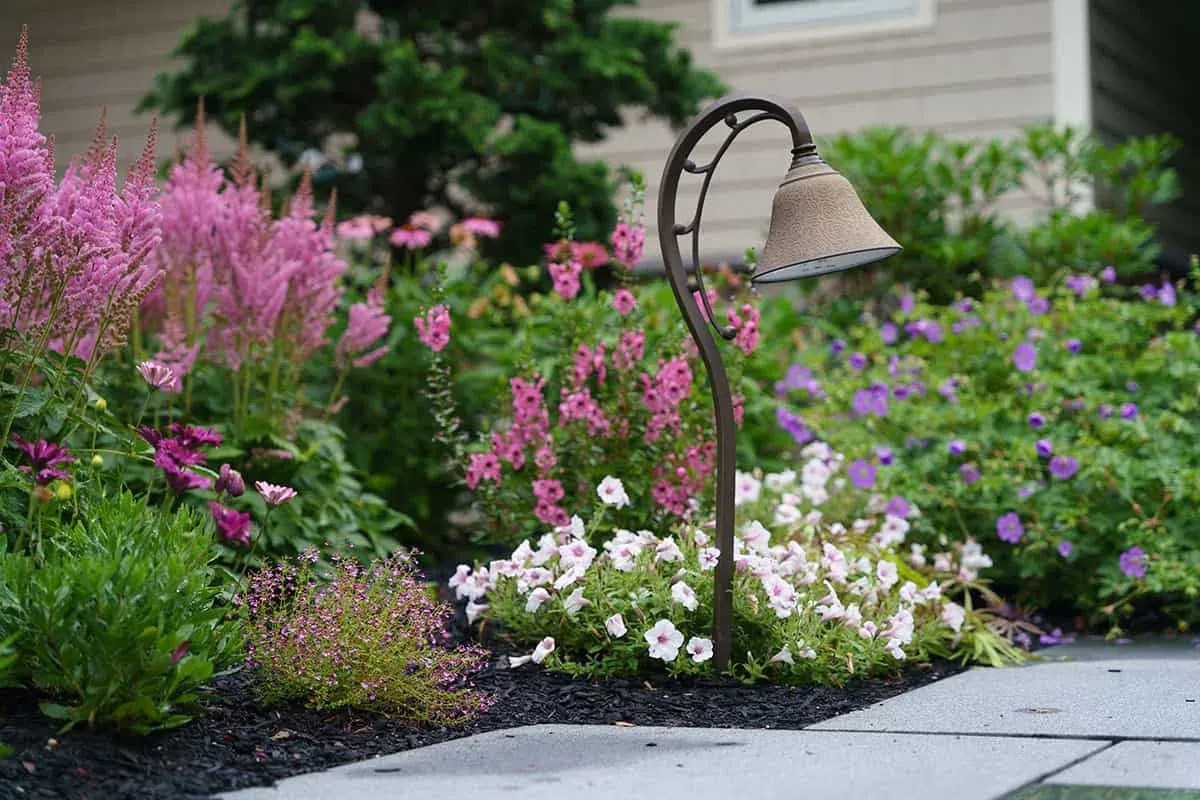
Trying to keep up with your yard can feel like a second job, especially when a Saturday disappears into mowing, trimming, and chasing the same soggy patch by the driveway for the fifth time. If you’re wondering when to hire a landscaper, the answer usually has less to do with luxury and more to do with time, safety, and getting a fix that actually lasts.
Signs it’s time to hire a landscaper
Some yard work is satisfying. Pull a few weeds, spread fresh mulch, stand back, and the place looks better by dinner. But there’s a line where upkeep turns into a drain on your time and money, and once you cross it, doing everything yourself stops being the smart move.
In the Lakes Region, that line shows up fast. Short growing seasons, rough winters, spring mud, stone-heavy soil, and sloped lots can turn ordinary maintenance into real work. Add a property that needs to look good consistently, like a year-round home, rental, office, inn, or storefront, and a casual weekend approach usually won’t cut it.
Your yard keeps eating up weekends
Routine yard work sounds manageable until you add it all together. Mowing becomes mowing plus edging plus trimming plus hauling brush plus cleaning beds plus dealing with leaves that seem to come back overnight. Then there’s pruning shrubs at the right time, touching up mulch, and handling seasonal cleanup before snow or after thaw.
The true cost is not just what you spend at the garden center. It’s your time, your energy, and that nagging feeling that the place still looks half-finished. If your yard never really reaches a point where it feels done, hiring out regular maintenance can be worth it simply because it gives you back your weekends and a more consistent result.
The project is bigger than basic lawn care
There’s a difference between spreading a few bags of mulch and reshaping part of your property. Once a project involves grading, drainage correction, a retaining wall, steps, a patio, irrigation lines, or a large planting plan, you’re not dealing with simple yard work anymore. You’re dealing with layout, materials, equipment, and long-term performance.
That matters because bigger projects have consequences. A poorly built wall can fail. A patio installed without proper base prep can shift after one freeze-thaw season. A planting bed that looks great in June can become a crowded mess by next summer if spacing and mature size weren’t part of the plan.
You’re Fixing the same problem over and over
Here’s the thing: repeat problems usually point to a deeper issue. If the same patch of lawn stays bare, if water always pools near the foundation, if plants keep struggling in the same bed, or if erosion shows up every spring, the surface fix is not the real fix.
That’s when hiring a landscaper makes sense. Not for another temporary patch, but for diagnosis. In many cases, the actual problem sits below the surface, in the soil, slope, drainage pattern, sun exposure, or plant choice.
What a landscaper can actually help you with
A lot of people picture landscaping as shrubs and mulch. That’s part of it, but only part. Before calling anyone, it helps to know what kind of work you actually need, because “yard help” can mean everything from weekly mowing to solving runoff problems that threaten your foundation.
Lawn care and routine maintenance
Routine service usually covers the steady, recurring work that keeps a property tidy and healthy: mowing, edging, trimming, fertilizing, aeration, overseeding, seasonal cleanup, and shrub care. This is about maintenance, not transformation. The goal is consistency.
A one-time reset is different. If a property has overgrown beds, leaf buildup, neglected shrubs, and patchy turf, the first visit may look more like cleanup and catch-up than normal maintenance. That distinction matters when you’re comparing quotes, because regular lawn care and a full property reset are not priced the same way and should not be scoped the same way.
Landscape design and planting
Design and planting work focuses on how the property looks and functions. That can mean refreshing foundation beds, creating privacy screening, improving an entry area, adding seasonal color, or making the front yard feel intentional instead of random.
Plant choice matters more in New Hampshire than many people expect. A pretty plant that hates wet feet, salt splash, wind exposure, or long winters becomes a repeating expense. A good planting plan takes your site conditions seriously, so your landscape doesn’t become a constant project that needs rescuing every season.
Hardscaping and outdoor living
Hardscaping covers the built elements: patios, walkways, retaining walls, stone steps, fire pit areas, edging, and other masonry or stonework. These features do more than improve appearance. They affect safety, drainage, movement through the property, and how usable the space feels.
Install quality matters here. A walkway needs proper base prep so it doesn’t heave and settle unevenly. Steps need comfortable rise and run so they feel safe in daily use. Retaining walls need real structure behind the visible face. The finished look is what you notice first, but the hidden prep is what decides whether it still looks good two winters later.
Drainage, grading, and property problem-solving
This is the category that gets overlooked until there’s a mess. Drainage and grading work deals with downspout runoff, soggy lawn areas, ice-prone walkways, erosion, and water collecting where it should not, especially near foundations and driveways.
Grading sounds technical, but it simply means shaping the ground so water goes where it should. Sometimes that means subtle slope changes. Sometimes it means swales, drainage stone, pipe, or reworking a problem area entirely. If your yard turns into a sponge every spring thaw, this is often the service that matters most.
When hiring a landscaper is worth the investment
Hiring a landscaper is worth it when the job needs a lasting fix, not another temporary patch. That’s the cleanest rule. Price matters, of course, but outcome matters more. A cheaper fix that fails next season is not cheaper.
When curb appeal affects home value or first impressions
Some properties need to make a good impression before anyone even walks inside. If your home is going on the market, if you run a rental, or if your office, inn, or retail space depends on looking cared for, landscaping is not just cosmetic. It shapes how the entire property is perceived.
Clean bed lines, healthy turf, trimmed shrubs, and defined walkways make a place feel maintained and welcoming. Neglected edges, overgrowth, and patchy lawn do the opposite. Even small upgrades can change the mood fast, kind of like putting on clean shoes with an otherwise simple outfit.
When safety and property protection are on the line
Some landscape problems are not about looks at all. Uneven walkways create tripping hazards. Failing retaining walls can shift soil where you least want movement. Overgrown sightlines near driveways make it harder to see traffic. Poor drainage near the house can lead to water issues that cost far more than the landscape work would have.
Slippery paths and ice-prone areas matter too, especially in a region where freeze-thaw cycles are part of life. If a landscape issue puts people or property at risk, it’s no longer a casual project to get around to someday.
When the right install saves money later
A proper install often costs more upfront because it includes the boring parts: site prep, drainage planning, soil work, base material, correct spacing, and the right plants or stone for the conditions. But those boring parts are what keep you from paying twice.
Think of it like buying the right winter boots once instead of replacing cheap pairs every season. Good grading can prevent washouts. Smart plant placement can prevent repeated losses. Proper hardscape prep can keep you from re-leveling a patio after the first hard winter. The upfront price can sting a little, but repeated rework stings more.
How to decide between DIY and hiring out
Not every landscape job needs a pro. Some tasks are perfectly reasonable to handle yourself. The trick is making an honest call based on time, tools, skill, risk, and the finish you want.
Jobs that are usually fine to DIY
Light weeding, simple seasonal planting, container gardens, spreading a modest amount of mulch, and basic touch-ups are usually good DIY jobs. If the task is low-risk, easy to correct, and doesn’t require specialized tools or a technical layout, doing it yourself can make sense.
These projects also work well if you enjoy yard work and want some control over the pace. A few weekend hours spent freshening beds or planting annuals is very different from trying to regrade a side yard with a rented machine and a YouTube education.
Jobs that usually go better with a pro
Drainage correction, excavation, irrigation, retaining walls, large tree or shrub installation, and full-yard redesigns usually go better with a professional. Same for projects that involve heavy materials, complex measuring, structural concerns, or code and permit issues.
If a mistake affects water flow, stability, visibility, or long-term plant survival, that’s a strong sign to hire out. A job can look simple from the driveway and still involve a lot of hidden decision-making underneath.
The hidden costs of doing it yourself
DIY often looks cheaper on paper because the estimate in your head includes only materials. The real total usually includes tool rental, delivery charges, extra material from mistakes, disposal fees, fuel, and a sore back that reminds you of the project for a week.
Local conditions can raise the stakes. Rocky soil can turn a planting job into a digging battle. Slopes make hauling material harder and layout trickier. Spring mud can wreck access and timing. Around the Lakes Region, a “simple” project has a way of becoming less simple once you start.
What to look for when you hire a landscaper
Choosing the right landscaper has less to do with flashy marketing and more to do with fit, clarity, and proof. A smooth project usually starts with a company that understands your kind of property and explains the work in plain English.
Relevant services and local experience
Look for someone who already handles the kind of work you need. Lawn maintenance, drainage correction, planting design, and hardscape installation are related, but not identical skill sets. The best fit is usually a landscaper whose everyday work matches your project.
Local experience matters too. Soil conditions, snow damage, salt exposure, spring runoff, and plant performance vary by region. A plan that works beautifully in a milder climate may struggle in New Hampshire. Familiarity with local conditions saves guesswork.
Licensing, insurance, and clear scope
Insurance matters because accidents happen, and landscape work often involves equipment, excavation, stone, and site risk. You want proof of coverage, not just a verbal assurance that everything is handled.
You also want a clear written scope. Scope simply means the exact list of work, materials, and responsibilities. It should spell out what is being installed, what is being removed, what prep is included, how debris is handled, and what is not included. Vague promises are where frustration starts.
Photos, references, and past work
Photos help, but polished highlight shots are not enough. You want to see projects similar to yours, especially if you need drainage work, stonework, planting renovation, or slope-related solutions.
If possible, ask for examples that have had time to settle in. A patio on installation day tells you one thing. A patio after two winters tells you more. Same with plantings. Fresh installs always look neat. The better question is how the work holds up.
Communication and reliability
Pay attention to the basics. Do calls get returned? Do answers feel clear? Does the proposed timeline sound realistic, not magically fast? Do expectations for cleanup, access, and scheduling feel straightforward?
A good fit usually feels easier from the start. Not fancy, just clear. If communication is slippery before any work begins, the project itself probably won’t get smoother later.
Questions to ask before signing anything
A few good questions can tell you a lot. Not by trying to trap anyone, but by seeing how clearly the work is explained and how thoughtfully your property is being evaluated.
How will you approach my specific yard issues?
Ask how the plan addresses your actual conditions: sun, shade, slope, soil, drainage, traffic patterns, and maintenance goals. A useful answer should sound specific to your yard, not like a package pulled off a shelf.
If the biggest issue is a soggy corner, the explanation should focus on why that spot stays wet and how the fix will change water movement. If the problem is privacy, the answer should cover growth habit, spacing, and year-round coverage, not just “add some shrubs.”
What is included in the estimate?
Get clarity on labor, materials, site prep, disposal, cleanup, plant warranty, and any follow-up visits. Ask how changes are handled if conditions on site require adjustments. Written change orders keep surprises from becoming arguments.
This is also where you find out whether the quote includes the less glamorous parts of the job. Prep, grading, and cleanup are easy to leave vague, and those details often explain why one estimate is much lower than another.
What should I expect for timing and upkeep?
Ask about scheduling, weather delays, project phases, and what kind of maintenance the new work will need once it’s installed. New plantings may need regular watering. Fresh seed may need a different mowing schedule. A hardscape project may involve staged work over several visits.
That matters because a beautiful install still needs the right follow-through. You want to know what your role is after the crew leaves.
What landscaping costs usually depend on
Landscaping prices can vary wildly, and that’s not always a red flag. Cost depends on what’s being built, what the site is like, how accessible the area is, and how much prep the job really needs.
Size, materials, and site conditions
Square footage changes labor and material totals quickly, but site conditions often matter just as much. Tight access, slopes, ledge, old roots, heavy overgrowth, and drainage issues can all add time and equipment needs.
Material choices also move the number. Natural stone, premium plant stock, specialty soils, and custom details cost more than simpler alternatives. Sometimes the difference is visual. Sometimes it’s about durability.
One-time projects vs ongoing maintenance
Routine mowing and seasonal cleanup are recurring services. Design-build work, drainage correction, and hardscape installation are one-time projects with a defined scope. The pricing structure is different because the work is different.
For some properties, bundled seasonal service makes sense. If your lawn, beds, and shrubs need regular attention to stay presentable, ongoing care can be more cost-effective than repeated one-off visits that keep resetting the same issues.
Why the cheapest quote can cost more
Low bids often leave out the parts of the job that are least visible and most important. Thin prep work, rushed grading, weak drainage planning, undersized base material, and poor plant selection can all lower the quote and shorten the lifespan of the result.
That’s the catch. The cheapest number may buy you the fastest path to doing the project again. If one estimate is dramatically lower, look closely at what’s missing before calling it a bargain.
Common mistakes people make when hiring a landscaper
Most bad landscape experiences are not random. They usually come from a few predictable mistakes, and avoiding them can save you a lot of money and frustration.
Hiring based on price alone
Price matters, but price alone is a weak filter. The lowest number can hide skipped steps, lower-grade materials, or labor that moves too fast to do the job well.
A better comparison is value for scope. What exactly is included, how durable is the plan, and how likely is it to solve the problem you actually have?
Not defining the outcome clearly
“Clean it up” sounds clear until you realize it can mean ten different things. Better bed edges? Less maintenance? More privacy? Safer steps? A lawn that can survive summer? Without a clear goal, it’s hard to get an accurate proposal and even harder to judge the result.
Clear goals make the process smoother. If you know your top priorities, the right solution usually gets easier to spot.
Choosing plants or features that don’t fit the property
Some choices look great on day one and become annoying fast. Plants outgrow the space, sun-loving varieties struggle in shade, and thirsty landscapes become a chore to maintain. The same goes for features that crowd the yard or look nice in a photo but feel awkward in daily use.
Fit matters more than trend. A good landscape should suit your property and the way you actually live with it.
Best landscaping help by use case
Different goals call for different kinds of help. Matching the service to the need is half the battle.
If you need basic lawn and property upkeep
Routine maintenance is usually the right fit if the main goal is consistency. Regular mowing, trimming, cleanup, and seasonal care keep a property looking cared for without turning every visit into a bigger project.
If you want to upgrade how the property looks
If the property feels flat, dated, or unfinished, design help, bed refreshes, updated planting plans, defined edges, and improved walkways can make a noticeable difference. This is often the sweet spot for homes, inns, office buildings, and storefronts that need stronger curb appeal.
If you need to solve a persistent yard problem
Recurring drainage issues, erosion, plant decline, and trouble spots that never seem to improve usually call for targeted problem-solving. In that case, the right help is less about routine maintenance and more about grading, drainage work, soil correction, or plant-health-focused care.
If you’re planning a patio, walkway, or retaining wall
Look for a hardscape-focused landscaper with real installation experience. You want proof of similar work, a clear process, and an estimate that includes the prep below the surface, not just the finished stone you’ll see at the end.
How to take the next step without overcomplicating it
Before getting estimates, walk your property and write down the top three things you want fixed. Keep it simple: maybe it’s the soggy corner by the driveway after the next hard rain, the overgrown front beds, and the uneven path to the entry. That short list will make your conversations clearer, your estimates easier to compare, and your decision a lot less stressful.
Disclaimer: This article is for general informational purposes only. It is not professional advice, a quote, or a service agreement. Conditions at your home or property may differ; contact a qualified professional for an on-site evaluation before making repair, safety, or spending decisions.